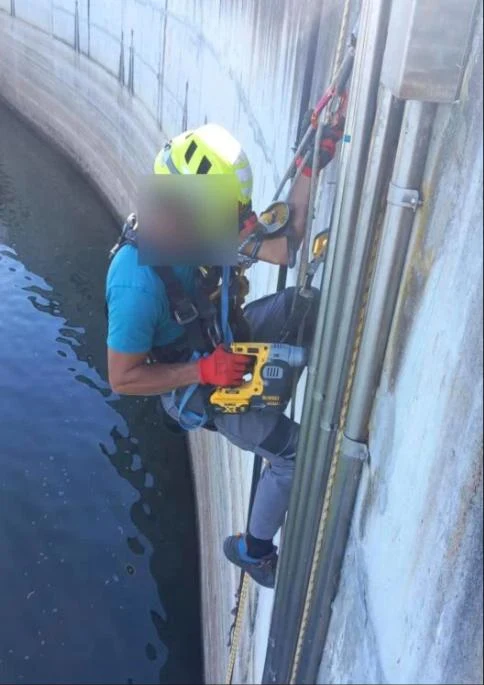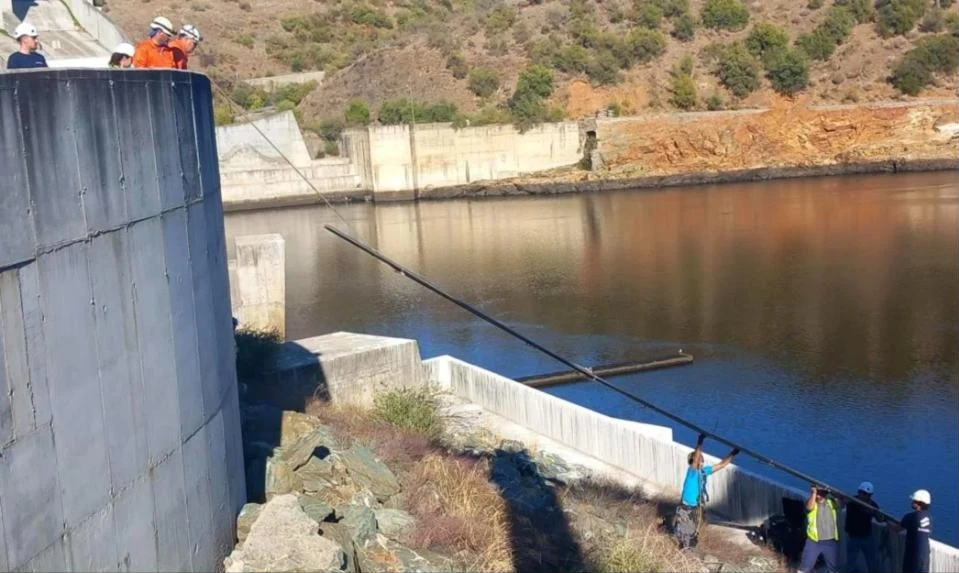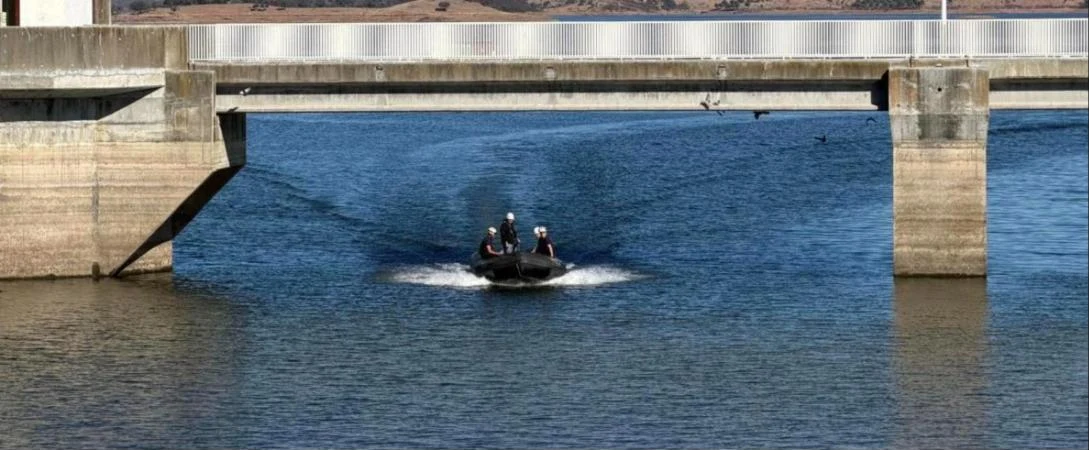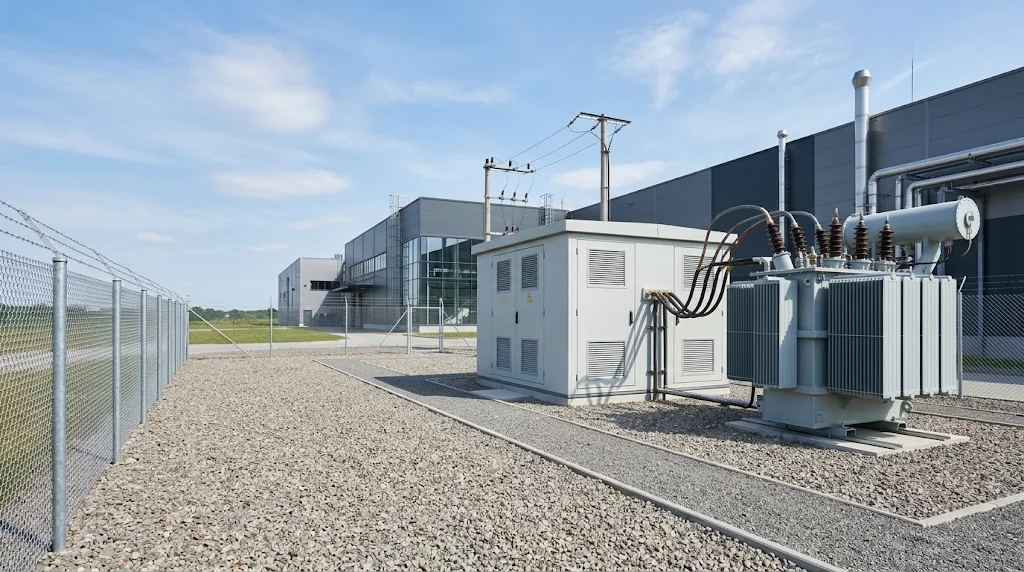
Electrical and automation maintenance for hydropower plants and dams: main switchboards (MLVS), control and power panels, PLCs, earthing and insulation testing, carried out within the generating unit’s outage period.
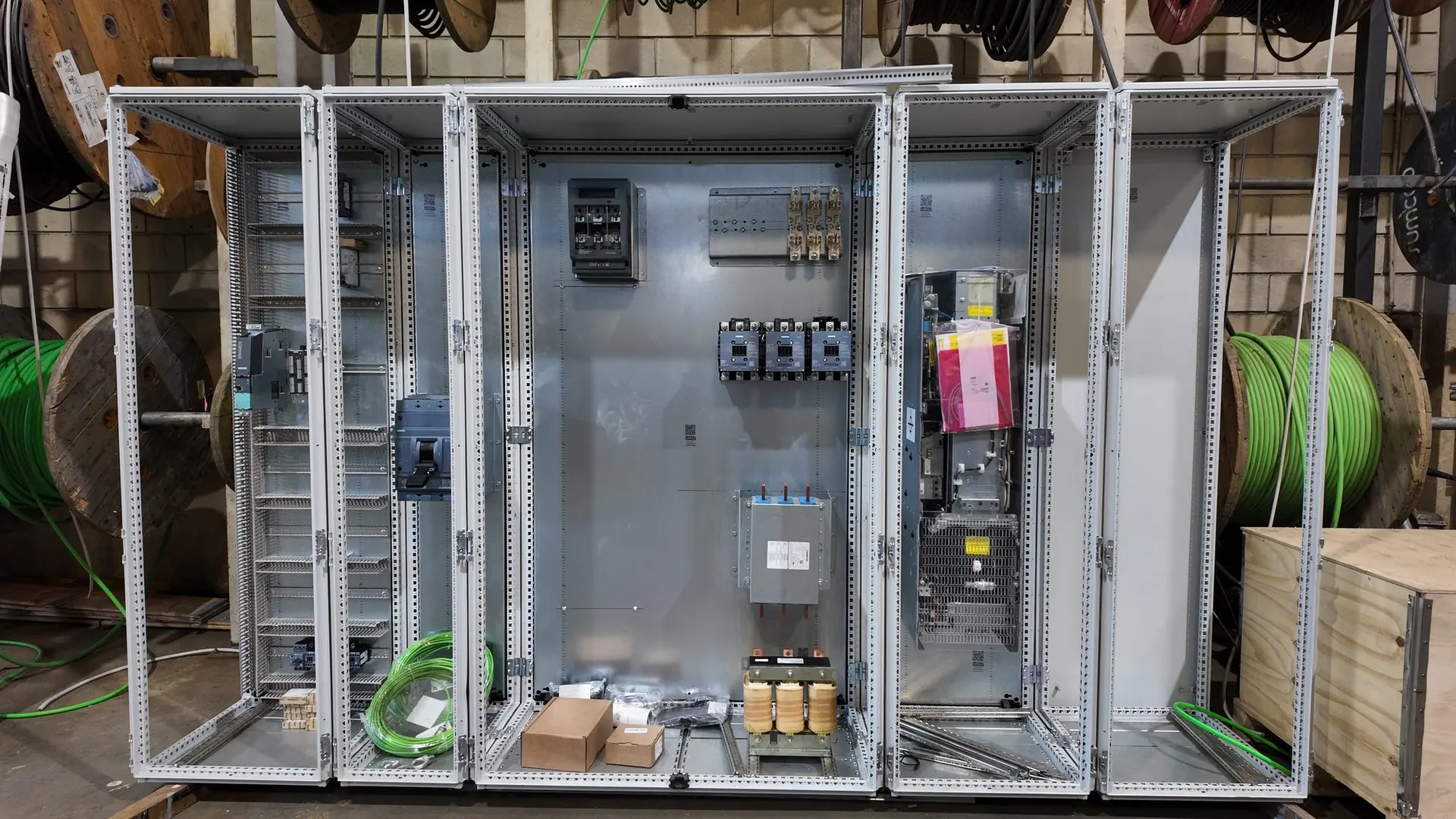
In a hydropower plant, the electrical side keeps the main switchboards, control and power panels and automation ready to generate. Nualux II carries out this work from its own workshop.
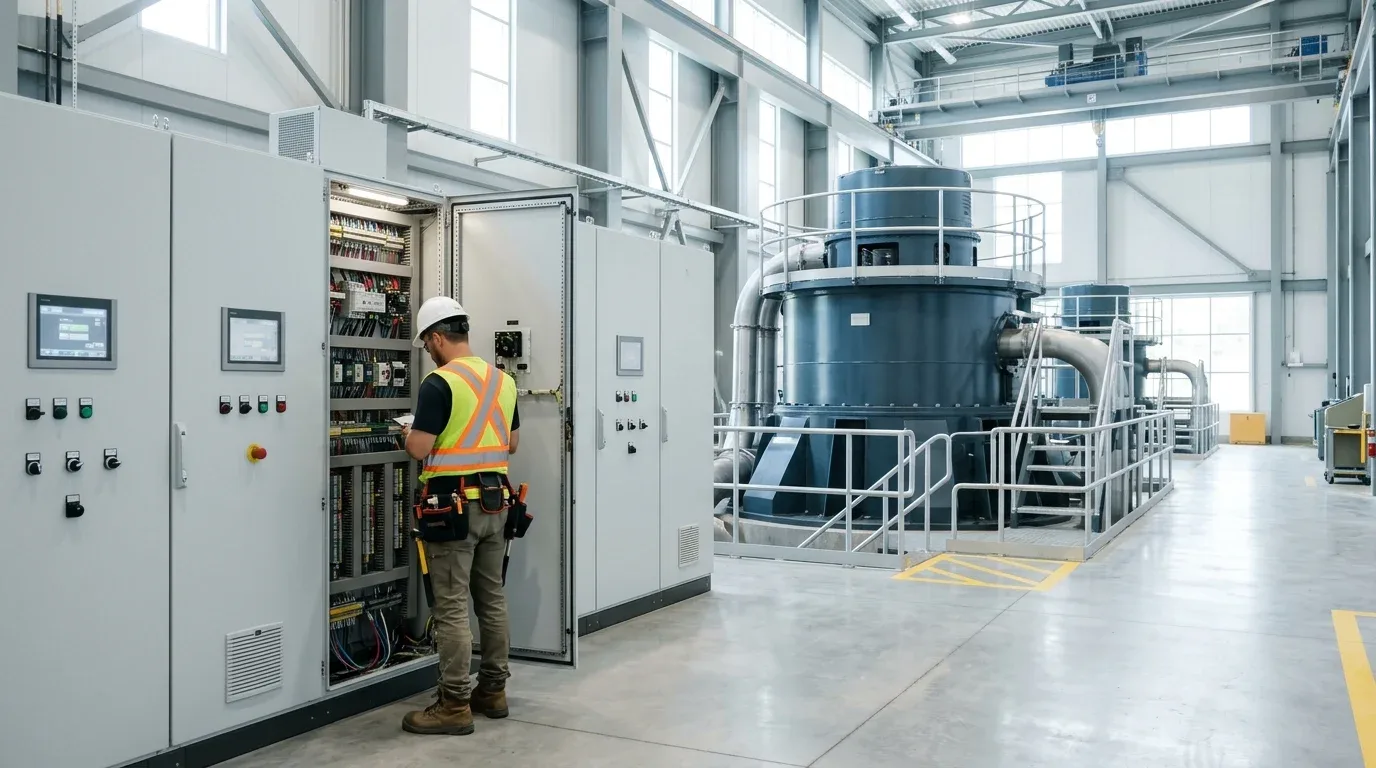
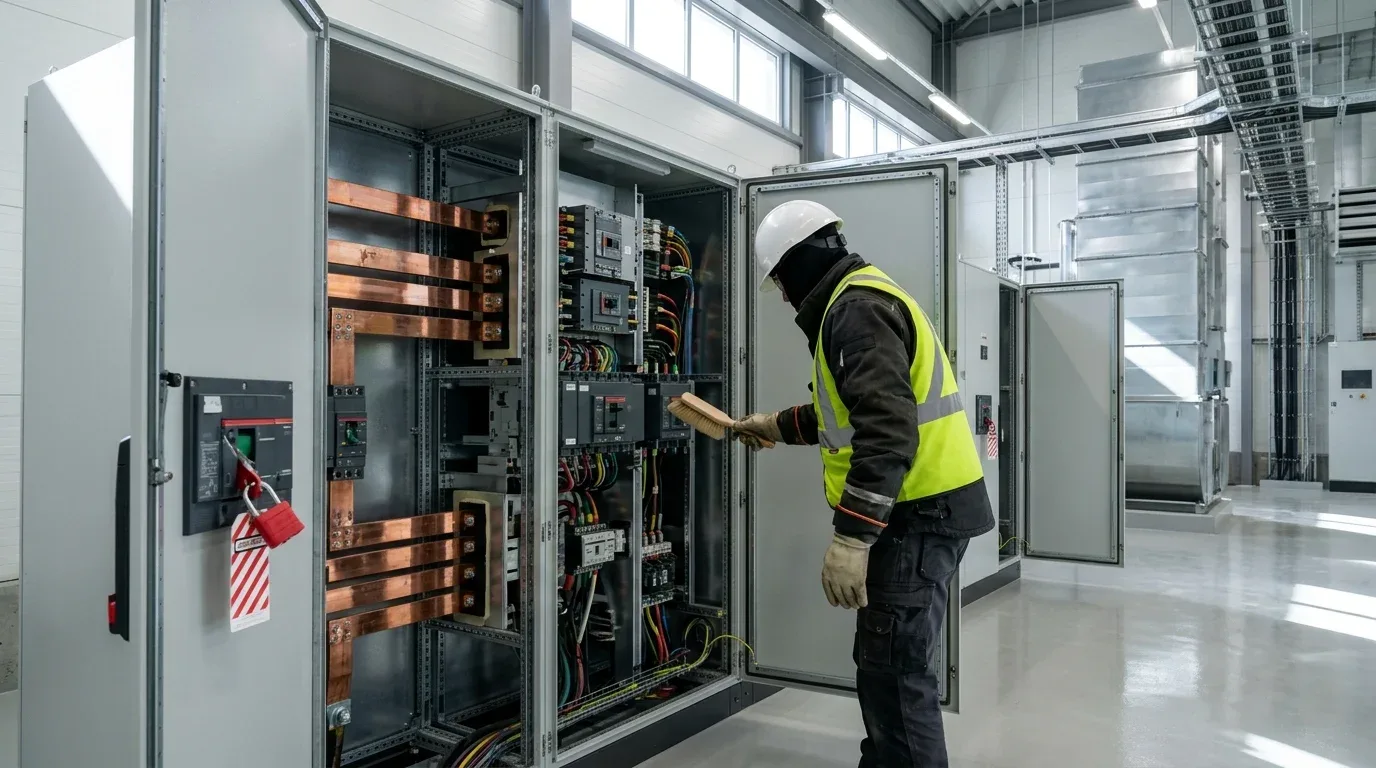
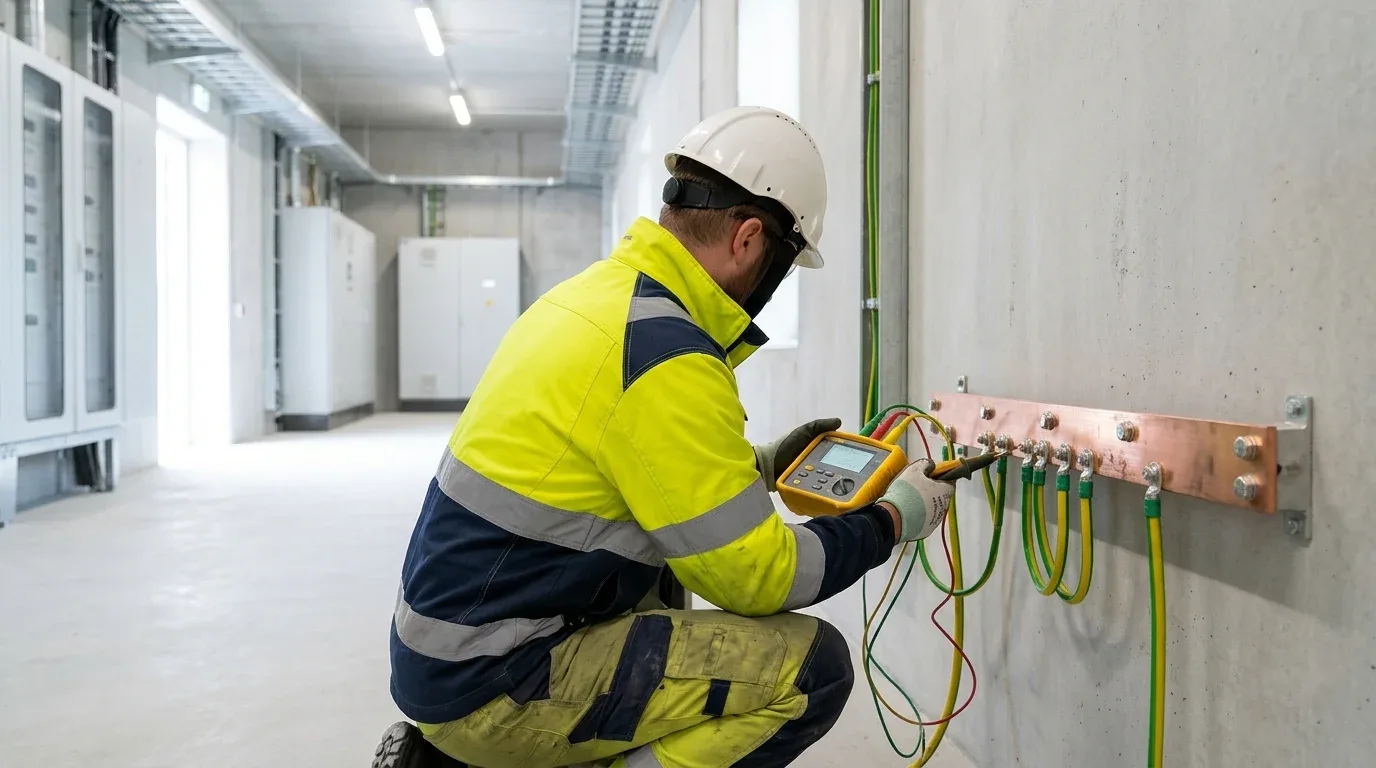
Powerhouses are humid and subject to vibration, and the work has to fit into the period when the generating unit is stopped. Every intervention is prepared in advance: the team overhauls the panels, checks PLCs and control systems, measures earthing and insulation with the HT Fulltest3 and hands the operator a written record of every reading.
Electrical maintenance is spread across three areas of the plant. Each has its own access conditions and its own time to be switched off.
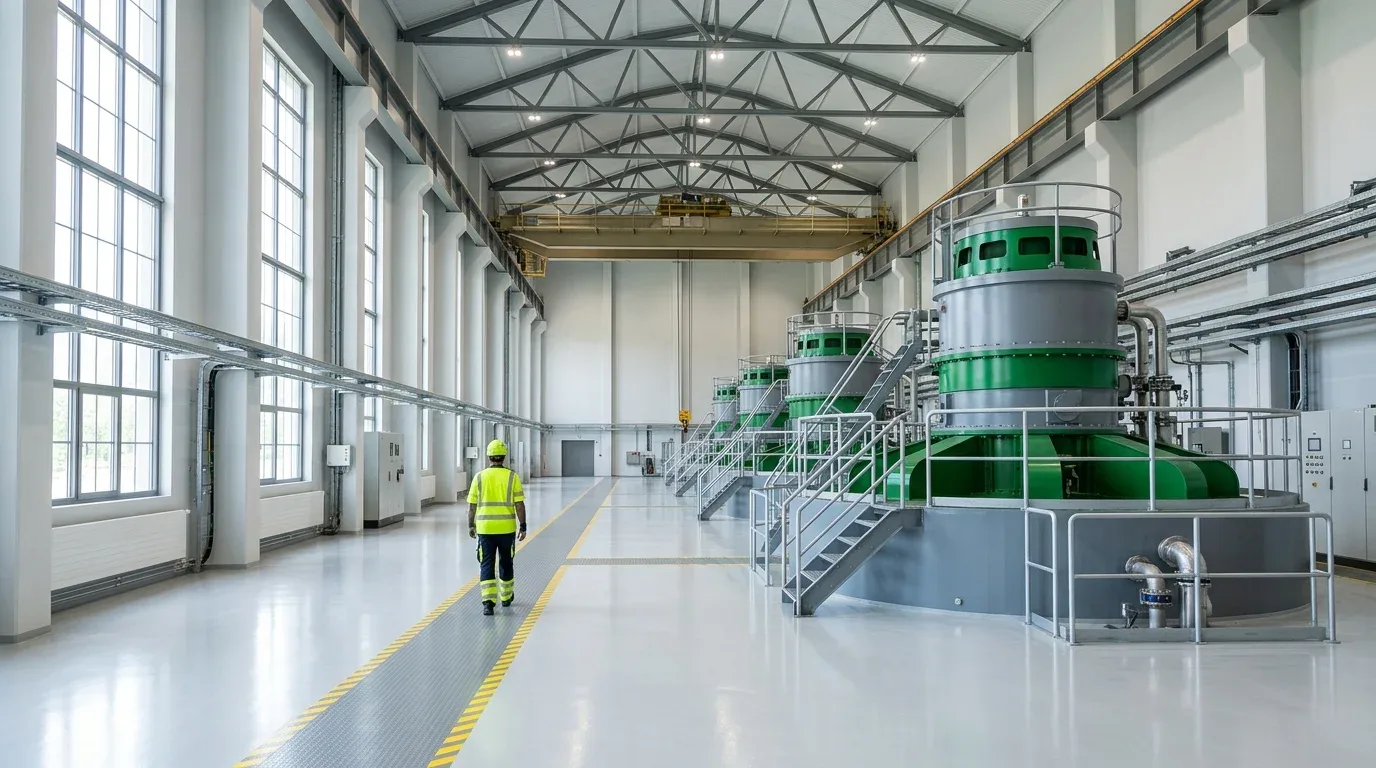
Panels and circuits next to the generating units, exposed to vibration and humidity. Work is only possible with the unit stopped and isolated.
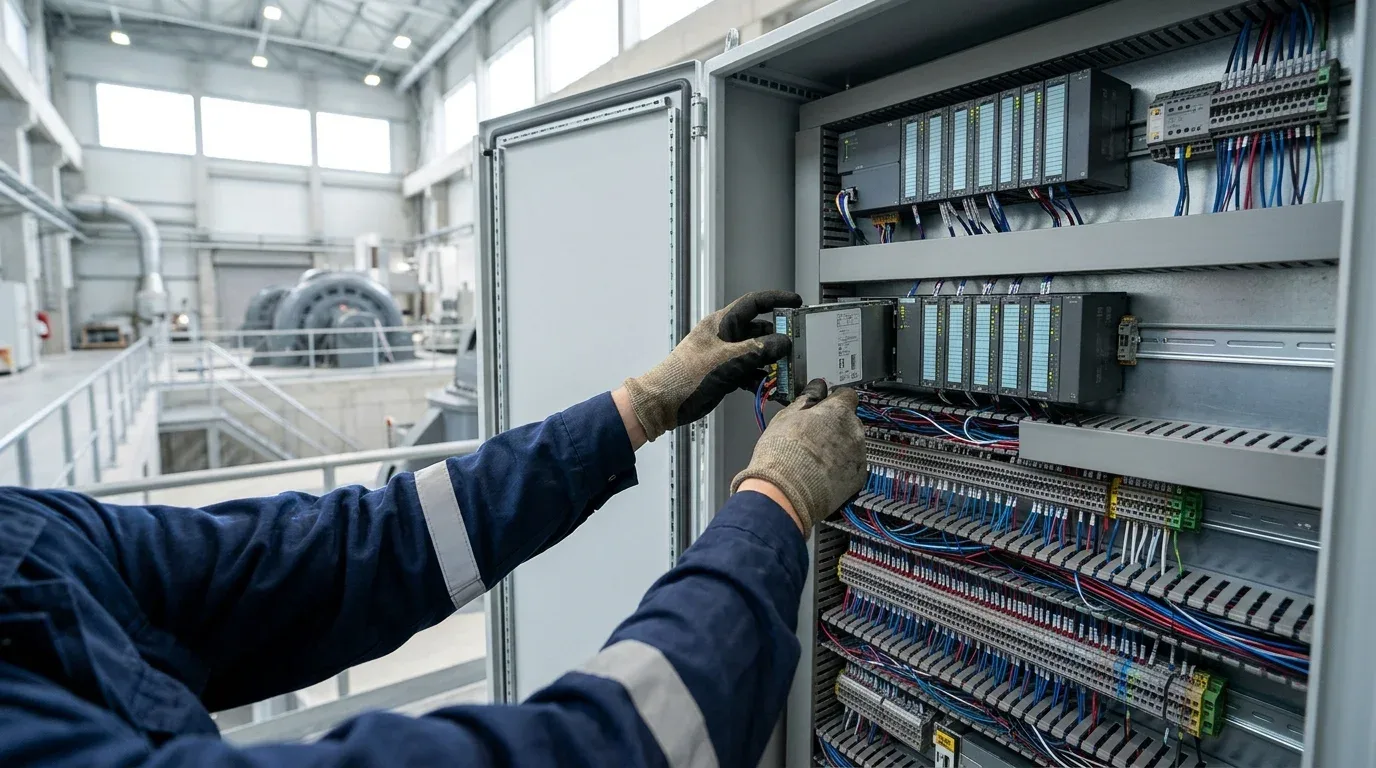
PLCs, control systems and terminal strips that coordinate the operation of the plant. This is where fault diagnosis takes place.
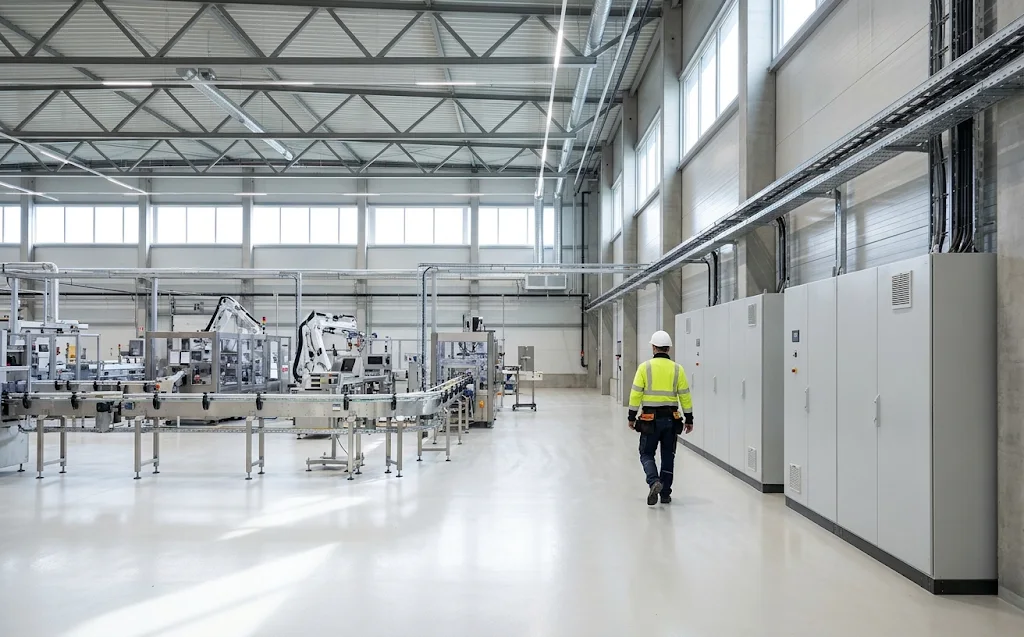
Panels that supply drainage pumps, ventilation, lighting and the plant’s other support equipment.
Every intervention is planned with the operator before the team travels.
Isolation, cleaning, torque checks and mechanical overhaul of main and auxiliary services switchboards.
Inspection and overhaul of contactors, protection devices and wiring in auxiliary services and starter panels.
Fault diagnosis, terminal strip checks and module replacement in the plant’s PLCs and panels.
Earth resistance and cable insulation measured with the HT Fulltest3 and compared with the record history.
Checks on cable trays, junction boxes and seals in galleries and humid areas of the plant.
Repair of faults in auxiliary and control circuits while the unit is out of service.
Inside a power plant, electrical work follows the operator’s rules. No intervention starts without written authorisation and with the equipment isolated.
Framework: the plant operator’s internal procedures and the safety rules for the operation of electrical installations (EN 50110-1).
Measurements and repairs are recorded in writing and handed to the operator at the end of each intervention, to be added to the plant’s history.
Before travelling, the team reviews the plant's diagrams, previous records and the outage dates agreed with the operator.
The equipment is isolated, the absence of voltage is verified and it is earthed, and the work area is marked out in line with the plant's permits to work.
The team cleans and retightens the panels, checks the PLCs, replaces worn components and measures insulation and earthing with the HT Fulltest3.
The equipment is returned available for operation, with a written report of the measurements and repairs carried out.


Each intervention ends with documents for the plant operator. The readings sit next to those from the previous intervention, so changes are visible.
Earth resistance and cable insulation measured with the HT Fulltest3 and compared with previous values.
What was found in each panel and circuit, with its correction priority.
Components replaced, connections remade and circuits repaired during the outage.
The same electrical work, in other installations.
Quote
Tell Nualux II the plant, the equipment to be overhauled and the planned outage dates. Diagrams or photos help with the quote.
Rua do Forno, 88, 4425-399 Maia, Portugal
Hydropower plants run for decades, but they need regular maintenance. Powerhouses are exposed to humidity and vibration, and the main switchboards, control panels, automation and earthing need cleaning, retightening and insulation testing to avoid unplanned outages.
It needs maintenance on the main switchboards (MLVS), auxiliary services panels, control panels and PLCs, as well as periodic earthing and insulation tests. Nualux II cleans and retightens the panels, checks the control systems and measures insulation and earth resistance with the HT Fulltest3.
Preventive maintenance at regular intervals, corrective maintenance when a fault occurs and condition-based maintenance driven by measurements. The insulation and earth resistance values recorded at each visit make it possible to track equipment ageing.
Earth testing confirms that fault currents and lightning surges have a low-resistance path to the ground. This protects staff from dangerous touch voltages and allows protection devices to clear faults quickly.
Electrical maintenance is scheduled for the outage periods agreed by the operator, usually at times of lower flow or lower demand. The work list is prepared in advance to fit the allocated shutdown window.
It is the document issued by the plant operator that authorises a team to work on a specific piece of equipment, in a defined area and for a set period. It states the isolation measures applied and is only closed when the equipment returns to operation.
Hydropower output is stable because the turbines start quickly and follow changes in grid demand. That availability depends on the condition of the electrical side: switchgear, control systems, auxiliary services panels and the earthing network need periodic inspection.
It depends on the number of units, the number of panels and PLCs, access to the plant and the length of the outage. To prepare a quote, Nualux II needs the diagrams, the equipment list and the outage dates.
A Nualux II usa cookies de estatística (Google Analytics e Microsoft Clarity) para saber que páginas são lidas. Só são ativados se aceitar. Política de privacidade